In Loving Memory of Pearl (7/17/2014-2/16/2026)
In ʿAttar’s telling, the Seven Valleys lead the seeker toward union with the Divine. I do not presume that ascent; I borrow his map to make sense of how loving Pearl — and losing her — has transformed me.
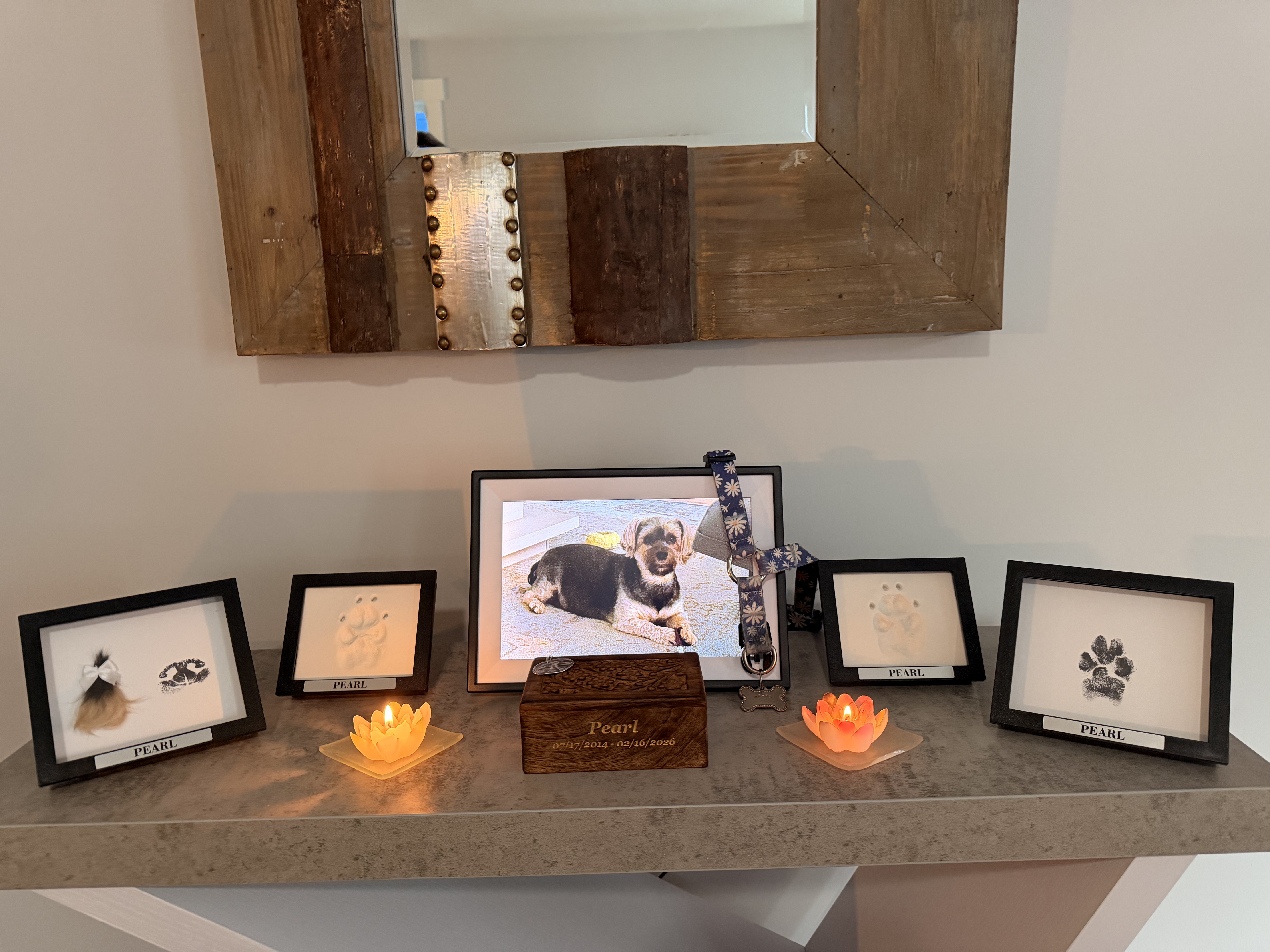
It has been seven days since my sweet girl Pearl’s physical departure.
Seven days since I told her vet, in a voice that felt steadier than I was, “It’s time.” Seven days since I knelt beside her, held her, and placed my hand on her heart. Seven days since I felt the rhythm that had accompanied me for eleven years and five months slow beneath my palm — and then stop.
In these seven days, I have been thinking about ʿAttar and his seven valleys.
Last Thursday, as Pearl’s health began its final decline, I was teaching The Conference of the Birds. I stood before my students, tracing the Seven Valleys across the board: the Valley of the Quest, the Valley of Love, the Valley of Insight into Mystery, the Valley of Detachment and Serenity, the Valley of Unity, the Valley of Bewilderment, and finally the Valley of Poverty and Nothingness. I spoke about surrender. About annihilation in love. About how the birds must pass through bewilderment before they arrive at transformation.
My voice did not tremble. But something in me already knew that I was not just teaching the Valleys. I was entering them.

The Valley of the Quest
Long before I met Pearl, I researched her. Like a disciplined scholar preparing for a major project, I read everything I could about dog breeds. I bought books. I watched videos. I read about temperament, health, grooming, and lifespan. I made a decision with the same seriousness I bring to academic inquiry: Yorkshire Terrier. That is what I want.
At some point during my research, I took a screenshot of a description of a Yorkie personality: stubborn, independent, and affectionate. I sent it to my sister. She wrote back immediately: match made in heaven. I laughed when I read it. I did not yet understand that I was reading prophecy.
The Quest is restless. It deprives you of ease. It strips away assumptions. I thought I was prepared. I was not.
When you begin the Valley of the Quest
Misfortunes will deprive you of all rest,
Each moment, some new trouble terrifies,
And parrots there are panic-stricken flies. (p. 181)
I met Pearl on a Wednesday afternoon in September 2014. I fell instantly – absurdly – in love. I named her on the spot. Pearl. I couldn’t sleep that night. Two days later, I brought her home.
The first three nights, she cried without stopping. Until then, I had only ever been responsible for myself. I knew, abstractly, that babies required soothing. But puppies? No one had prepared me for that thin, relentless sound of fear. It was not loud, but it was persistent. It was the sound of disorientation. So I did what instinct suggested. I gave her a pair of my worn socks so she could learn my scent. I lay on the hardwood floor beside her crate and stayed there until morning. For three nights, I held her tiny paw through the metal bars until she learned me.
Now, seven days into grief, I see that those nights were my initiation into the Valley of Quest – Talab. In ʿAttar’s telling, the Quest begins when one abandons certainty. When what one thought was sufficient no longer suffices. I had thought I understood responsibility. I had thought love would be intuitive. Instead, I found myself searching – for patience, for tenderness, for a self that could reorder its own comfort around another being’s fear.
Her fear rearranged my body before love rearranged my philosophy.
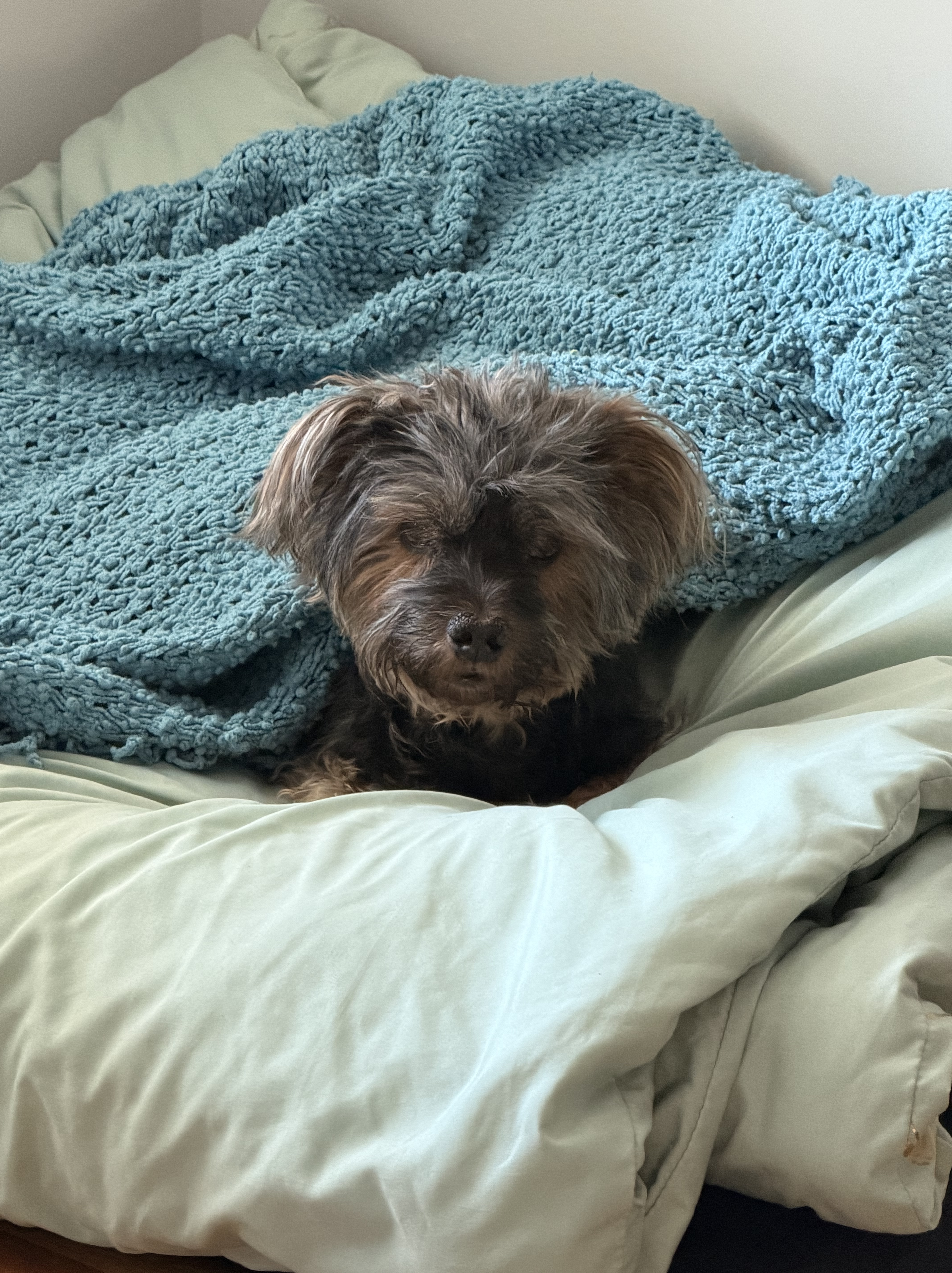
I also gave her three baths that first week. I didn’t know what “dog smell” was. She was my first pet. I thought I was supposed to wash it away. I remember toweling her off, proud of my diligence, convinced I was doing something correct. Years later, when I traveled without her, that was the scent I missed most. And now, seven days after her heart stopped beneath my hand, I sit on the living room floor holding her blanket – the most valuable object I own – and press my face into the fabric. The smell I once tried to erase is the one I now cling to as if it were oxygen.
The Valley of Love
Quest softened into Love before I recognized the shift.
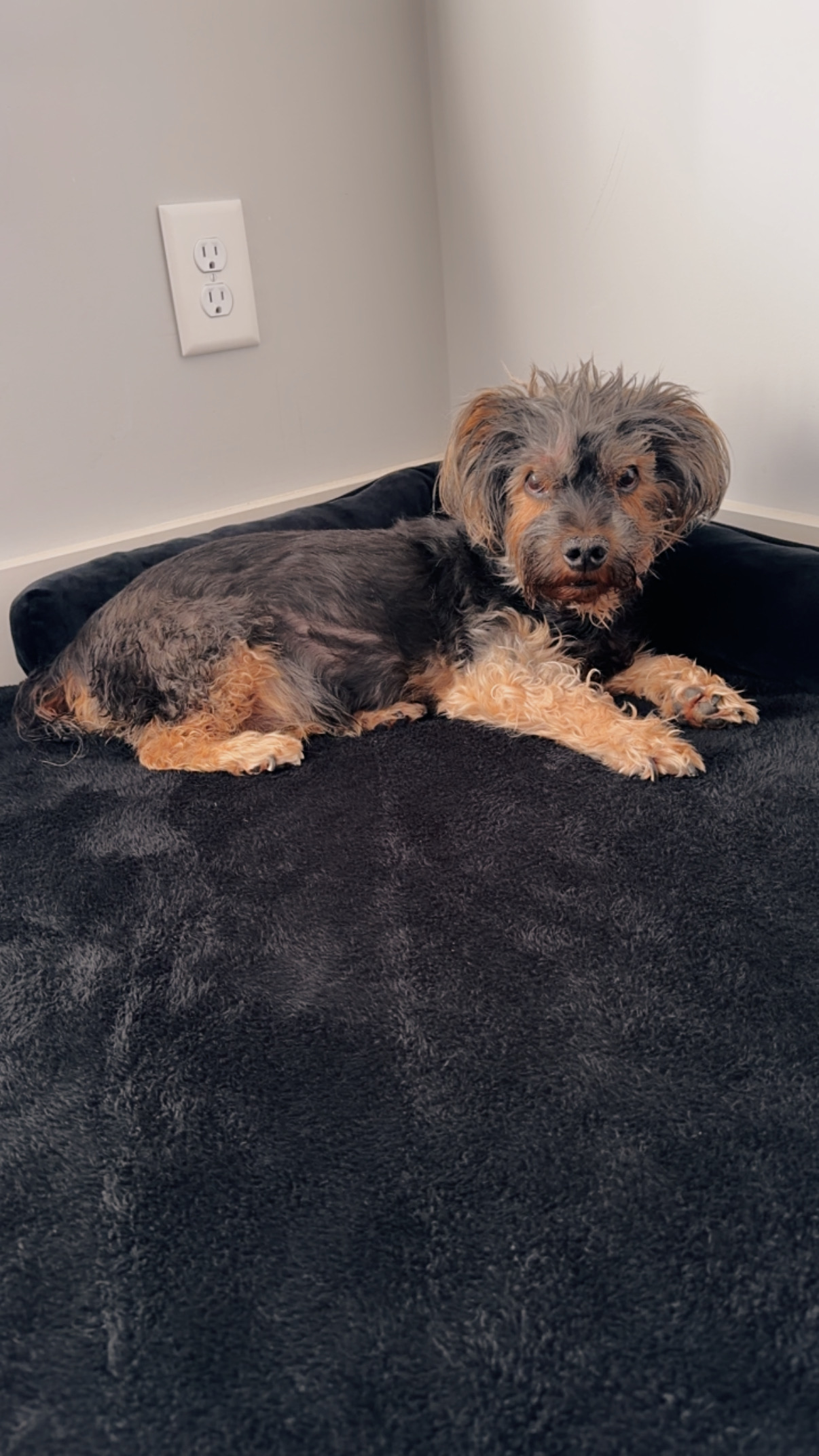
Pearl was exactly what the screenshot promised: stubborn, independent, and affectionate. She was not food-oriented, which made housebreaking an education in humility. Once, after she peed on the carpet, I reacted in frustration. She looked at me, jumped onto my white couch, and peed there. When I raised my voice again, she ran to my bedroom, leapt onto my bed, and peed on my mattress. That was the day I realized this was not about discipline. It was about language.
Love’s valley is the next, and here desire
Will plunge the pilgrim into seas of fire,
Until his very being is enflamed
And those whom fire rejects turn back ashamed, (p. 186)
In the Valley of Love – Eshq – ʿAttar writes that reason dissolves. Love destabilizes the ego. I had to surrender the illusion that she would conform to my system. I had to learn her signals – the slight tilt of her ears before urgency, the pacing that meant “now,” the subtle glances toward the door.
Once I learned her language, the accidents stopped. She would not have another for years – not until illness overtook her body and dignity yielded to frailty.
She was picky about food, too. Refused treats. Turned away from kibble. So I cooked for her every day. Fresh, carefully measured protein, small containers cooling on the counter. Love became a culinary ritual. Devotion took the shape of chopping boards and stovetops.
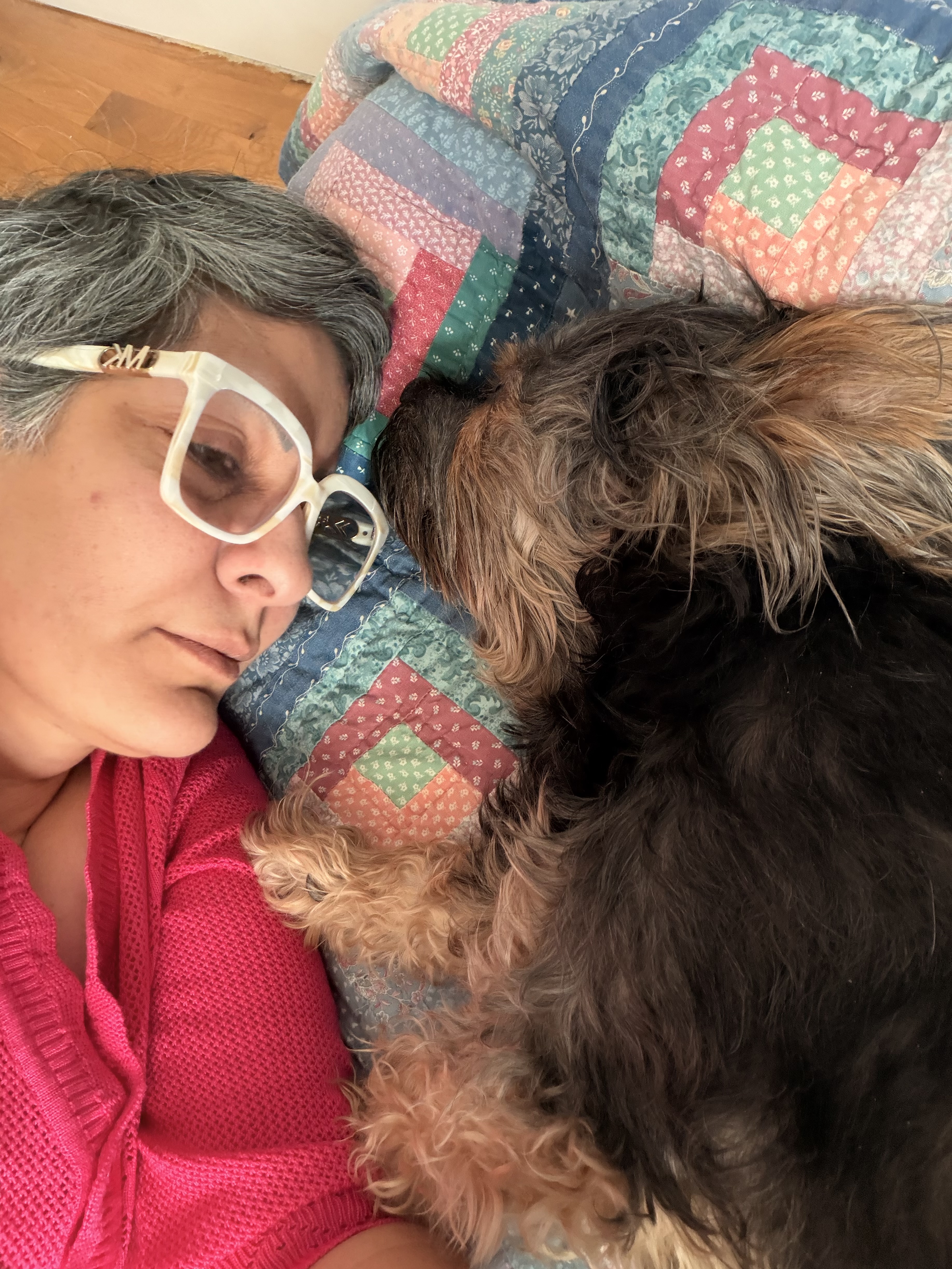
At home, we spoke Armenian. She understood it instinctively – commands, affection, nuance. But she could pivot to Persian with friends and English with her care team. She moved across languages as easily as she moved across states with me. From Georgia to North Carolina, and she flew with me to Los Angeles eleven times on vacation. A neighbor once laughed and said, “She’s cosmopolitan and multilingual – we’re boonies in front of her.”
She accompanied me through tenure, promotions, book launches, heartbreaks, five houses, celebrations, and losses – even a pandemic. She was my constant witness.
The Valley of Insight into Mystery
Five months and five days after her chronic kidney disease diagnosis, I kept a journal.
At first, it was practical: appetite, mobility, nausea, good days, bad days. But now I see that I had entered the Valley of Insight into the Mystery – Ma’rifat. Insight into Mystery humbles knowledge.
The next broad valley which the traveller sees
Brings insight into hidden mysteries;
Here every pilgrim takes a different way,
And different spirits different rules obey. (p. 194)
I could not spreadsheet my way out of mortality. I could not theorize her back to health. Insight became recognition – of patterns, of decline, of the slow thinning of stability. I could only witness. Some days, she was steady. Some days, she vomited the medication meant to help her. Her arthritis worsened. The body that once leapt defiantly onto my couch trembled before the stairs. An emergency nurse once told me, “Pets with health issues pick those who will fight for them.” I fought. I followed instructions. I adjusted doses. I researched. I recalibrated.
But fighting, too, evolves.
The Valley of Detachment and Serenity
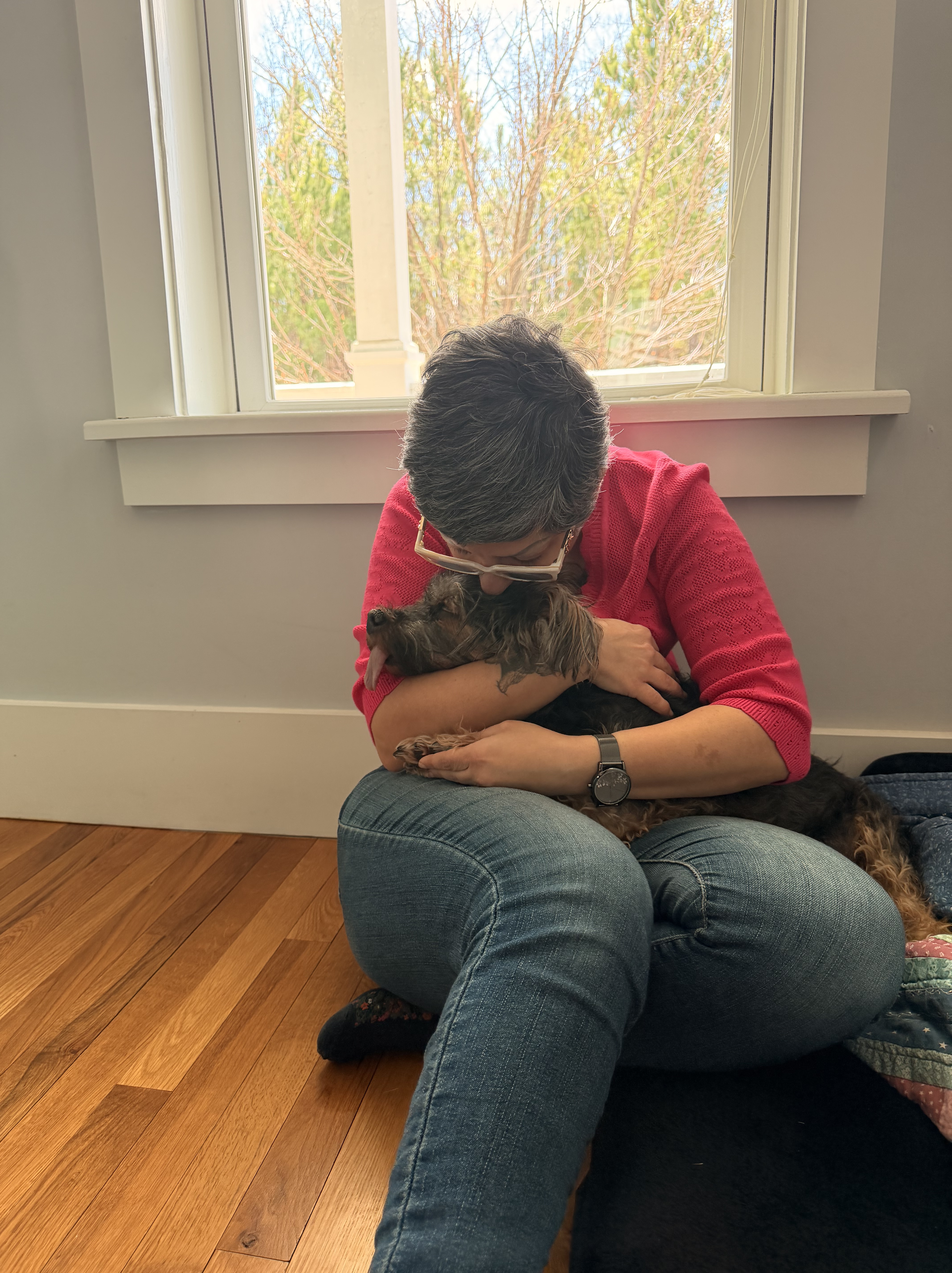
The Sunday before her physical departure, she locked her jaw.
This was a dog who understood medication. Even when she disliked it, she would willingly open her mouth because she knew it was helping her. But that Sunday, she closed it deliberately. I tried again. She refused.
Next comes the valley of Detachment; here
All claims, all lust for meaning disappear,
A wintry tempest blows with boisterous haste;
It scours the land and lays the valley waste – (p. 199)
In these seven days of reflection, I have come to believe that she had already entered the Valley of Detachment and Serenity – Istighnah – before I had. Her body could no longer tolerate what was meant to steady it. Stability had become fragile. Relief had become temporary.
She was prepared for departure days before I was willing to name it. And yet she waited. There was a softness in her final days. A patience. Grace. As if she understood that I needed to reach clarity myself.
On Monday, I did. Clarity did not feel dramatic. It felt quiet. Like love itself. I looked at her and understood.
“It’s time,” I told the vet.
The Valley of Unity
After I said, “It’s time,” and after she was gone, something unexpected happened.
Next comes the Valley of pure Unity,
Place of lonely, long austerity,
And all who enter on this waste have found
Their various necks by one tight collar bound –
If you see many here or but a few,
They’re one, however they appear to you. (p. 206)
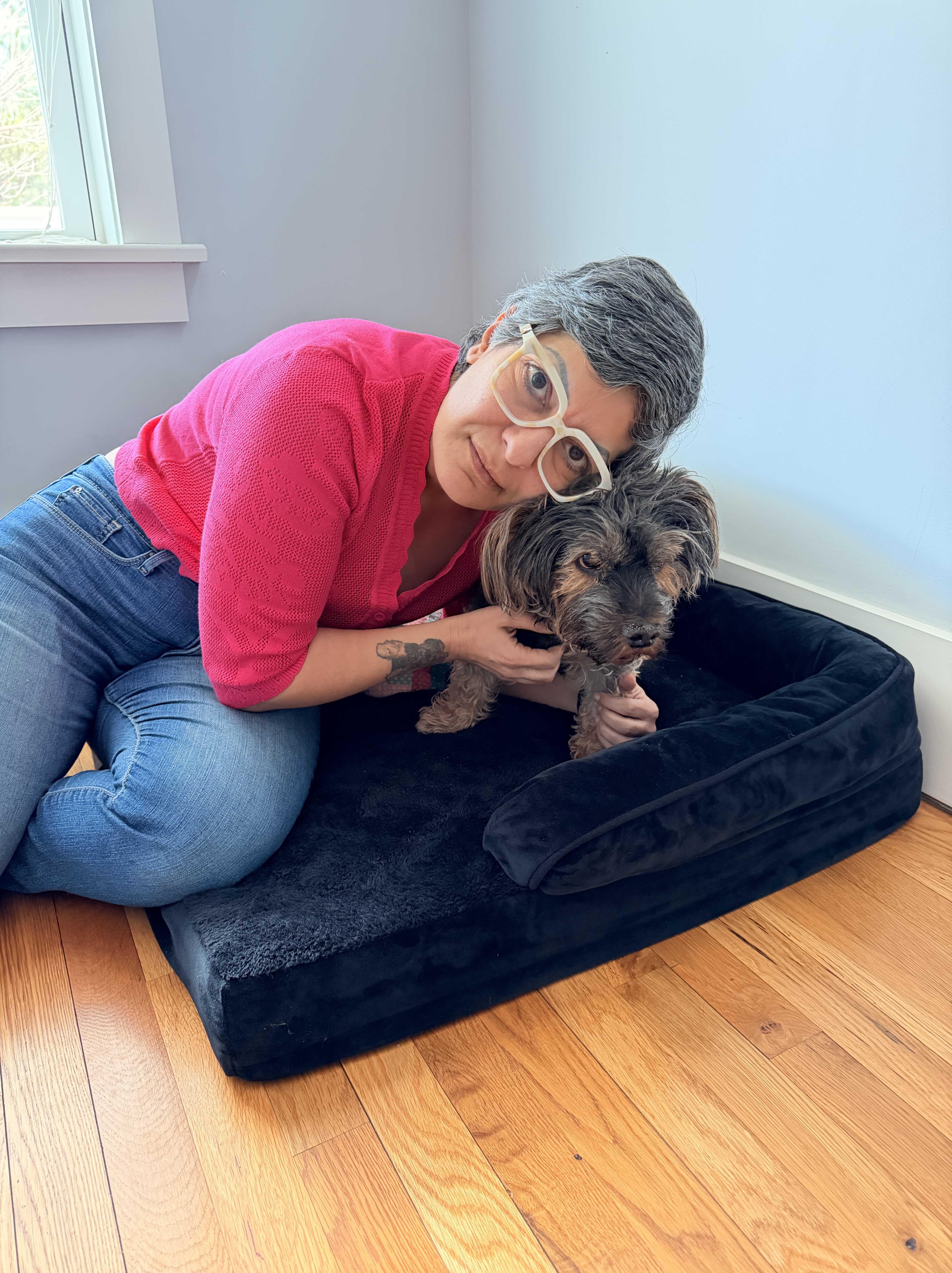
Meals delivered to my door. Flowers arriving from across the country. Friends sitting beside me and crying because they knew her, too; friends covering my classes so I can remain home and feel my grief without performance.
Grief revealed the network she had quietly woven – a web of neighbors, colleagues, students, friends, and family whose lives she had brushed so gently that I had mistaken her constancy for something private, when in truth she had been stitching us together all along.
ʿAttar writes that in this valley, the many are bound by one collar; I am beginning to understand what he meant. But Unity, in my rendering, is not abstraction but arrival – grief revealing that love was never singular – that she had threaded us together long before I noticed the pattern.
The Valley of Bewilderment
And then came bewilderment – Hayrat. Not theatrical awe. Not mystical ecstasy. How can something so painful be so saturated with beauty? How can absence feel this full?
Next comes the Valley of Bewilderment,
A place of pain and gnawing discontent –
Each second you will sigh, and every breath
Will be a sword to make you long for death;
Blinded by the grief, you will not recognize
The days and nights that pass before your eyes (p. 212)
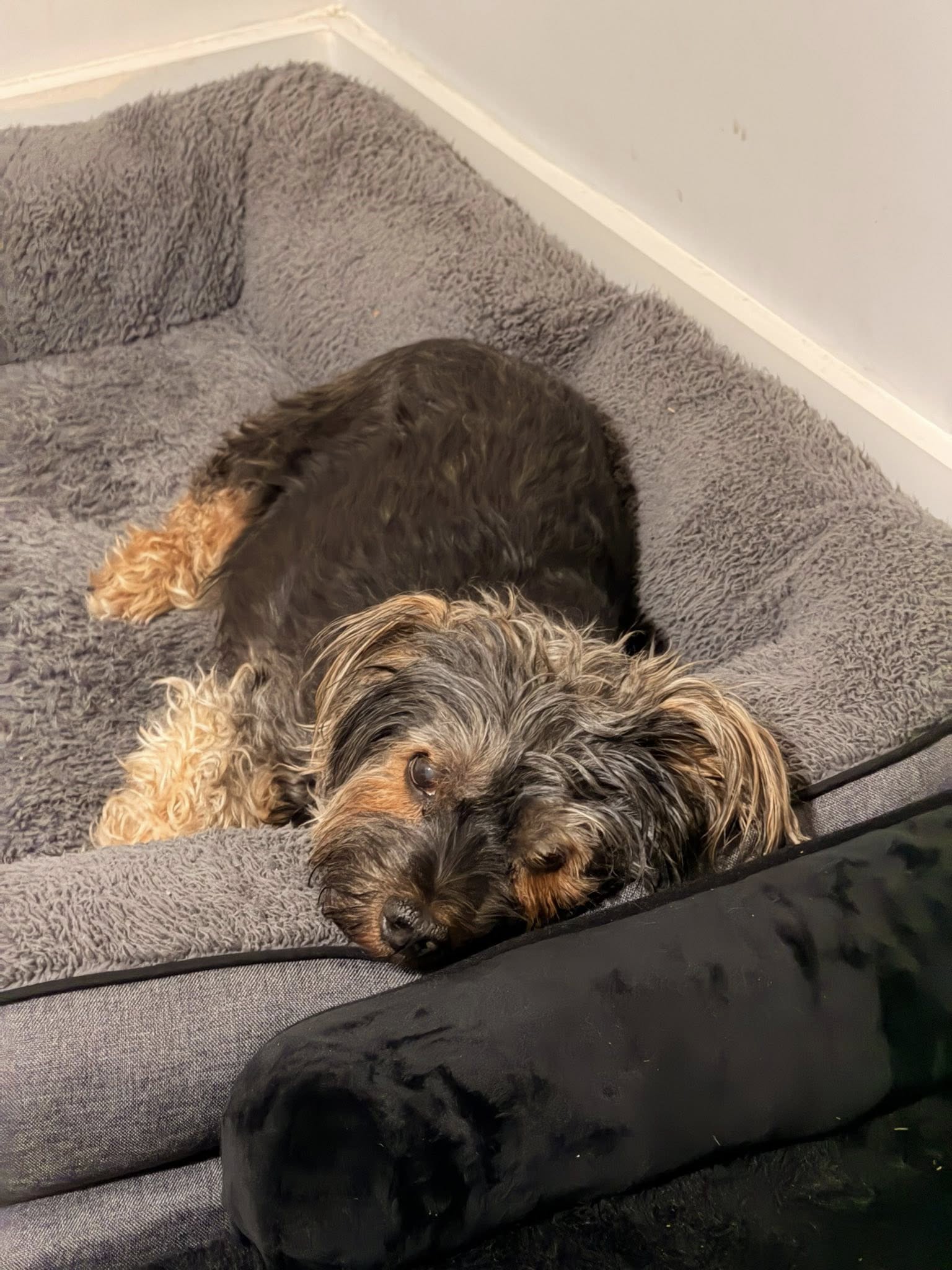
I walk past the couch and remember the defiant puppy who refused my misunderstanding. I open the freezer and see containers I will no longer prepare. I hold her blanket and breathe in the scent that is both ordinary and sacred.
Bewilderment, I am learning, is not the absence of meaning but the simultaneous presence of too much.
The Valley of Poverty and Nothingness
In saying those words – it’s time – I stepped into the final Valley of Poverty and Nothingness – Faqr and Fana. In ʿAttar’s telling, this is the annihilation of the self as it once understood itself. The dissolution of the ego that insists on control. The surrender of the belief that love must cling to be real.
When the medication flowed, I knelt beside her. I held her small body. My hand rested on her heart. I felt her heart beating beneath my palm – steady, familiar. The rhythm that had accompanied me through eleven years and five months of living.
And then I felt it slow.
And then I felt it stop.
Next comes the valley words cannot express,
The Vale of Poverty and Nothingness:
Here you are lame and deaf, the mind has gone;
You enter an obscure oblivion. (p. 219)
There was no violence in it. Only stillness.
In that stillness, I understood.
Poverty and Nothingness are not despair.
They are surrender.
They are the dissolution of the self that insists on control.
Seven days ago, her heart stopped beneath my hand.
But the Valleys remain.
The Quest rearranged me.
Love dissolved me.
Insight humbled me.
Detachment refined me.
Unity held me.
Awe bewildered me.
And Poverty and Nothingness are teaching me that surrender is not the opposite of love.
It is its most refined expression.
Stubborn. Independent. Affectionate.
Match made in heaven.
My sister was right.
I researched Yorkshire Terriers like a scholar.
I did not know I was researching my own transformation.
I am still walking ʿAttar’s Valleys.
And I am still learning her language, discovering that surrender does not end the conversation.

Note: All quotations from ʿAttar are from The Conference of the Birds, translated by Dick Davis and Afkham Darbandi.
 Claudia Yaghoobi, PhD